
7 Tips for Choosing a Quick Coupling Connector
Selecting the right Quick Coupling Connector is not a small purchasing decision. It affects flow efficiency, operator safety, maintenance time, and equipment reliability. Industry analysis from Grand View Research and MarketsandMarkets continues to show strong demand for hydraulic and fluid-handling equipment, driven by construction, agriculture, manufacturing, and energy applications. However, market growth does not make every connector suitable.
The details matter.
A connector rated for 10,000 psi may still fail when exposed to vibration, dirty hydraulic oil, or repeated side loading. Field technicians often find problems around damaged seals, mismatched profiles, and poorly protected couplings. ISO 7241 and ISO 16028 provide useful dimensional and performance references, but standards alone cannot replace application testing. Parker Hannifin and Stucchi technical reports also emphasize pressure drop, material compatibility, connection cycles, and contamination control when selecting couplings.
Start with the working fluid, pressure, temperature, flow rate, and connection environment. Then examine whether operators need one-handed connection, flat-face technology, or spill reduction. A coupling that works well on a clean test bench may behave differently beside a muddy tractor or a vibrating excavator.
Looks can mislead.
This guide presents seven practical tips for choosing a Quick Coupling Connector with greater confidence. It also questions a common assumption: the highest pressure rating is not always the best choice. Total performance depends on the complete system, including hose size, seal material, maintenance habits, and storage conditions. Always verify supplier test data, installation instructions, and relevant regional safety requirements before final approval.
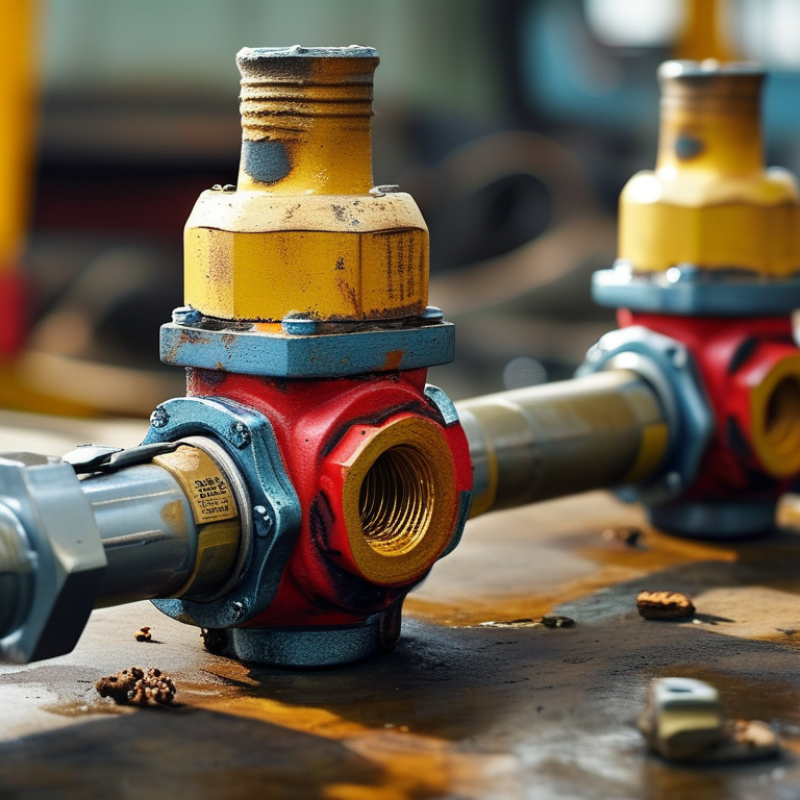
Identify the Application and Operating Requirements
Choosing a quick coupling connector starts with the application, not the catalog photograph. Identify the fluid or gas, pressure range, temperature, flow rate, and connection frequency. A connector used on hydraulic equipment may face shock loads and vibration. One used for clean water may need different sealing materials and surface finishes. Media compatibility matters because a seal can swell, harden, or crack over time.
Measure the available space around the connection. Note hose size, thread type, fitting orientation, and access for gloved hands. In field inspections, I also check whether operators connect lines while equipment remains warm or pressurized. That detail changes the coupling design and safety requirements. It seems obvious, but it is often missed. The connector should match the working pressure, not only the system’s normal pressure. Allow room for pressure spikes.
Environmental conditions deserve equal attention. Dust, moisture, salt spray, chemicals, and repeated washing can shorten service life. Select suitable materials and protective features for the actual location. I once focused too heavily on flow capacity and overlooked frequent side loading from a poorly supported hose. The connector performed, but the hose assembly did not. That experience reinforced a practical lesson: inspect the whole connection path, not one component. Record operating limits, test procedures, and replacement intervals before approval. Small details matter.
7 Tips for Choosing a Quick Coupling Connector - Identify the Application and Operating Requirements
| Tip | Application or Operating Requirement | What to Identify | Typical Selection Guidance | Verification Checklist |
|---|---|---|---|---|
| 1. Define the Fluid or Gas | The connector must be compatible with the media flowing through the system. | Fluid type, concentration, viscosity, cleanliness, toxicity, and whether the media is liquid or gas. | Use corrosion-resistant materials for water, chemicals, coolants, oils, compressed air, or aggressive gases. For sensitive fluids, consider low-extractable seals and cleanable internal surfaces. | Confirm material compatibility for the body, valve, spring, seals, and any surface treatment. Check chemical-resistance data at the actual temperature and concentration. |
| 2. Establish Pressure and Vacuum Conditions | The coupling must safely withstand normal, peak, surge, and vacuum conditions. | Working pressure, maximum allowable pressure, pressure spikes, vacuum level, and pressure during connection or disconnection. | Select a pressure rating above the maximum operating condition with an appropriate safety margin. Hydraulic systems commonly require ratings from tens to several hundred bar, while pneumatic systems often operate below 10 bar. | Compare the complete pressure-temperature rating, not just the nominal pressure. Verify whether the design permits connection under residual pressure. |
| 3. Match Flow Rate and Port Size | An undersized coupling can restrict flow and create excessive pressure drop or heat. | Required flow rate, acceptable pressure loss, hose or tube inside diameter, and connection thread or port standard. | Choose the nominal size based on actual flow rather than hose size alone. For low-pressure air and water circuits, small bore sizes may be adequate; high-flow hydraulic circuits generally need larger passages. | Review flow-versus-pressure-drop curves. Confirm port geometry, thread type, sealing method, and whether the coupling creates a significant internal restriction. |
| 4. Check Temperature and Environmental Exposure | Temperature, moisture, dust, chemicals, and outdoor exposure can affect materials, seals, and service life. | Minimum and maximum operating temperature, thermal cycling, humidity, salt spray, ultraviolet exposure, dust, and washdown conditions. | Select seal compounds and body materials for the complete temperature range. Protected or corrosion-resistant finishes are preferable in wet, outdoor, or marine environments. | Check the temperature limits of every wetted component. Review enclosure or ingress-protection requirements when the coupling is installed in a washdown or dusty area. |
| 5. Select the Valve and Shutoff Configuration | The valve arrangement determines leakage, air inclusion, spillage, and connection convenience. | Single shutoff or double shutoff, dry-break requirement, trapped pressure, allowable leakage, and need for automatic isolation. | Use single shutoff designs for simpler low-risk circuits. Double shutoff or dry-break designs are better where fluid loss, contamination, or operator exposure must be minimized. | Confirm residual volume, leakage rate, pressure equalization, and whether the coupling can be connected safely at the intended pressure. |
| 6. Evaluate Mechanical Loads and Connection Frequency | Vibration, hose movement, impact, bending, and frequent cycling can damage the coupling or its seal. | Connection cycles per day, vibration level, side loads, hose flexibility, accidental pull forces, and available installation space. | Choose a locking mechanism suited to the environment, such as sleeves, balls, threaded locks, or flat-face interfaces. Provide hose supports or swivels when bending loads may reach the coupling. | Review cycle-life data, retention strength, lock indication, ergonomic requirements, and clearance for gloved operation or maintenance access. |
| 7. Confirm Safety, Standards, and Maintenance Needs | A suitable connector should support safe operation, easy servicing, and compliance with the applicable system requirements. | Applicable industry standards, pressure equipment rules, cleanability, inspection access, spare seals, and replacement procedure. | Use standardized interfaces where interchangeability is important. Select designs with positive locking, clear identification, replaceable seals, and accessible maintenance components. | Request dimensional drawings, material certificates, pressure and leak-test information, installation instructions, and documented compatibility with the intended application. |