Global buyers entering 2026 face a practical question: which vacuum forming machine type fits the product, material, and production scale? The answer depends on more than advertised forming area. Machine selection must consider sheet thickness, mold design, heating zones, cycle time, trimming requirements, operator skill, and after-sales support. A small single-station machine may suit prototypes and short runs. Automatic inline systems can better serve high-volume packaging. Rotary and twin-station platforms may reduce idle time, but they also require stronger process control.
Market data shows why this decision matters. Grand View Research estimates that the global thermoforming plastics market reached approximately USD 15.3 billion in 2023, with continued growth expected through 2030. MarketsandMarkets also forecasts sustained expansion, driven by packaging, medical products, automotive components, and consumer goods. These reports cover thermoforming broadly, rather than vacuum forming alone. That limitation deserves attention.
The best machine is not always the largest one. It is the machine that holds stable temperature across the sheet, controls vacuum pressure consistently, and supports repeatable demolding. For example, a food tray producer may prioritize hygienic construction, fast mold changes, and dependable cycle records. An automotive supplier may need deeper draw ratios, stronger clamping, and precise cooling. Buyers should request sample trials, energy data, maintenance schedules, and references from similar factories. A polished brochure is not proof.
There is no universal winner. Experienced purchasing teams compare total ownership cost, not only the initial quotation. This guide examines the leading machine types for 2026 and explains where each design performs well, where it struggles, and which claims require closer verification.
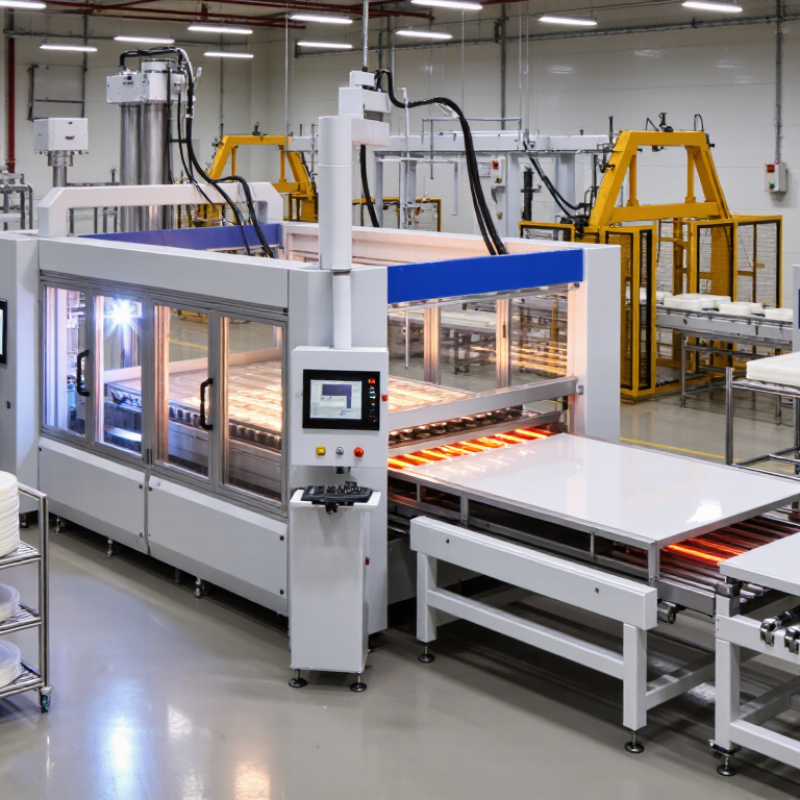
Vacuum forming is a thermoplastic shaping process used to create trays, covers, housings, and protective packaging. It heats a plastic sheet until the material becomes flexible. A mold then gives the sheet its final shape. Vacuum pressure pulls the softened sheet tightly against the mold surface.
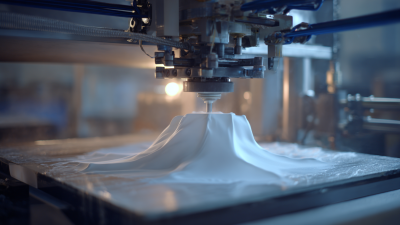
The operating cycle begins with sheet loading and controlled heating. Temperature matters greatly. If the sheet stays cool, corners may remain thin or incomplete. If it becomes too hot, sagging can distort the part. The machine lowers the heated sheet over a mold, then removes air through small vacuum holes. Atmospheric pressure presses the plastic into the mold. After cooling, the formed part is released and trimmed.
Mold design affects results as much as machine power. Draft angles help removal, while uneven wall thickness can weaken a product. Vent placement also deserves attention. Poor venting may leave bubbles, wrinkles, or soft details. In production reviews, these defects often come from process settings, not equipment failure. That assumption can be wrong.
Buyers commonly compare single-station, automatic, and continuous vacuum forming machines. Manual systems suit prototypes and smaller batches. Automatic lines improve repeatability but require stronger process control. Operators should check sheet size, heating zones, vacuum capacity, cooling time, and available tooling support before choosing a machine. A faster cycle is not always a better cycle.
The right vacuum forming machine depends on production volume, part size, material, and quality targets. Manual or benchtop machines suit prototypes, school laboratories, and short runs. They require more operator control, but setup is simple and affordable. Semi-automatic machines add controlled heating, sheet loading, and forming cycles. They work well for packaging, interior panels, and regular small-batch production.
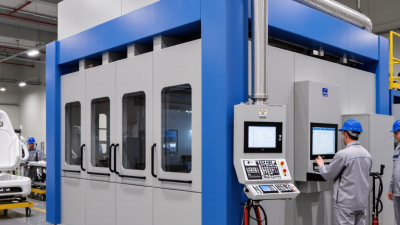
Automatic inline machines serve factories with repeated output and stable designs. They can connect heating, forming, cooling, and trimming stations. This reduces handling errors and improves cycle consistency. Twin-sheet machines form two plastic sheets and join them into hollow parts. They fit tanks, containers, pallets, and ducting. Pressure-assisted vacuum forming adds air pressure during forming. It creates sharper corners and finer surface details than standard vacuum forming.
Large parts need a wide forming area and strong clamping force. Thin packaging may need fast heating zones and precise temperature control.
Plug-assist systems help distribute material across deep cavities. Mold cooling also matters when cycle speed affects production costs.
Buyers should check sheet thickness ranges, electrical standards, spare-part access, and operator training support.
A machine may look perfect on paper. It can still struggle with uneven heating or difficult molds. Requesting sample trials is a practical safeguard. Test the actual plastic, mold texture, and target cycle time.
I would also leave room for future tooling changes. That small allowance often prevents expensive upgrades later.
2026 Best Vacuum Forming Machine Types for Global Buyers
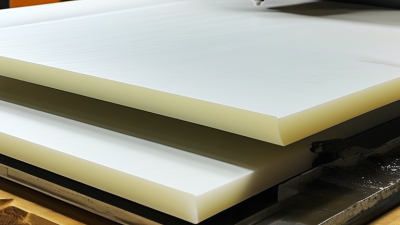
When comparing vacuum forming machines, material choice should guide the equipment decision. ABS offers impact resistance for housings and protective covers. PETG forms cleanly and suits transparent display parts. HIPS remains practical for lightweight packaging and interior panels. Use certified, application-appropriate grades. Material data sheets matter more than attractive sample photos.
Mold selection changes cost, speed, and surface quality. Wood or composite molds can support early prototypes and short production runs. They are affordable, but edges may wear quickly. Epoxy molds provide better stability for repeated trials. Aluminum molds handle heat well and support longer production schedules. CNC-machined surfaces usually improve detail, although they raise tooling costs.
Machine capability must match the largest sheet, not the average part. Check forming area, sheet thickness range, heating zones, vacuum strength, and cooling control. Plug-assist systems help create deeper parts with more even walls. Twin-sheet forming can produce hollow structures, but alignment needs careful adjustment. Pressure forming delivers sharper details than standard vacuum forming. Automatic trimming can reduce labor, yet it may require dedicated tooling.
I have seen a perfect-looking trial part hide thin corners and uneven cooling. Test production is essential. Ask for sample runs using your actual material and mold geometry. Review wall thickness, cycle time, trimming accuracy, and energy use. Global buyers should also verify electrical standards, manuals, spare-part access, and operator training. Small omissions become expensive later.
Typical production throughput by machine type, based on common industrial operating ranges.
How to Select a Vacuum Forming Machine for Global Applications
Selecting a vacuum forming machine starts with the product, not the machine catalog. Measure the largest sheet, forming depth, mold area, and expected production volume. A small workshop may need a compact unit, while automotive or packaging production demands stronger clamping and faster cycles.
Material choice matters. ABS, PETG, PVC, and high-impact polystyrene require different heating control and forming conditions. Ask for stable temperature zones, adjustable heating time, and even sheet softening. Uneven heating creates thin corners and visible defects. It happens easily. Pump capacity also deserves practical testing. A powerful pump cannot fix poor mold venting or weak sealing.
Global applications add technical details. Check voltage, frequency, control-language options, spare-part availability, and operator training. Confirm that electrical systems can meet the destination market’s safety requirements. Review guarding, emergency stops, noise levels, and documentation before shipment. These details protect workers and reduce installation delays.
I have found that sample trials reveal more than impressive specifications. Send the actual sheet and mold, then inspect thickness distribution, cycle time, trimming accuracy, and energy use. Request repeat tests, not one successful sample. A larger machine is not automatically better. It may consume more power and require unnecessary floor space. My own selection mistakes often came from trusting peak capacity instead of daily workload. Leave room for future products, but calculate that expansion carefully.
Comparative selection guide based on common industrial configurations, typical operating ranges, material compatibility, production needs, and international installation considerations.
| Machine Type | Typical Sheet or Forming Area | Typical Material Thickness | Typical Production Profile | Suitable Materials | Best-Fit Applications | Main Advantages | Key Limitations | Global Buyer Selection Notes |
|---|---|---|---|---|---|---|---|---|
| Manual or Semi-Automatic Single-Station | Approximately 300 × 300 mm to 1,200 × 800 mm | About 0.5–6 mm, depending on heater capacity, clamping system, and material | Low-volume production, prototyping, sampling, and frequent product changeovers | ABS, HIPS, PETG, PVC, PP, HDPE, acrylic, and other thermoplastic sheets | Prototype housings, display parts, packaging samples, educational products, custom interiors, and replacement components | Lower initial investment, simple tooling, flexible setup, and relatively short changeover time | Higher labor requirement, lower repeatability than automated lines, and limited output for large orders | Confirm operator training, guarding, emergency-stop design, spare heater availability, and compatibility with local electrical standards |
| Automatic Single-Station | Approximately 600 × 500 mm to 2,000 × 1,200 mm | About 0.8–8 mm, subject to sheet size, polymer, and forming depth | Medium-volume production with repeatable loading, heating, forming, cooling, and unloading cycles | ABS, HIPS, PET, PETG, PVC, PP, PE, and engineering thermoplastics within the machine specification | Appliance liners, automotive trim, equipment covers, sanitary products, trays, and industrial enclosures | Better cycle consistency, reduced manual handling, programmable recipes, and improved labor productivity | Higher cost and more complex maintenance than semi-automatic equipment; still may require manual trimming | Evaluate PLC language options, recipe storage, remote diagnostics, voltage and frequency, compressed-air quality, and local service support |
| Inline Automatic Sheet-Fed | Commonly about 1,000 × 700 mm to 3,000 × 2,000 mm | Roughly 0.8–12 mm, depending on heating zones and forming technology | Medium- to high-volume production with integrated sheet loading, heating, forming, cooling, and transfer | HIPS, ABS, PET, PETG, PP, PVC, PE, and other production-grade thermoplastics | Refrigerator and freezer liners, transport interiors, large packaging, pallets, industrial covers, and automotive components | Higher throughput, automated material flow, consistent process control, and reduced handling between stations | Requires more floor space, higher commissioning skill, and more detailed tooling and process planning | Check line layout, material-loading direction, plant utilities, guarding standards, foundation requirements, and acceptance-test procedures |
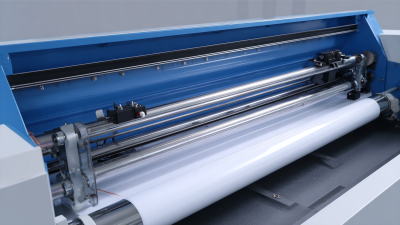
| Roll-Fed Thermoforming Line | Typical web widths from about 300 mm to 1,500 mm; product dimensions depend on pitch and mold layout | Commonly about 0.2–2.5 mm | High-volume, continuous production using plastic rolls or reels | HIPS, PET, PP, PVC, PLA, and selected multilayer or barrier webs compatible with the heating system | Food containers, pharmaceutical packs, disposable trays, lids, cups, and high-volume consumer packaging | High output, efficient material feeding, low handling cost, and suitability for multi-cavity tooling | Less suitable for thick sheet products, narrow operating windows for some materials, and higher tooling-change requirements | Verify roll diameter, web width, material certification, recycling or scrap handling, food-contact requirements, and local packaging regulations |
| Twin-Sheet Vacuum Forming | Often about 600 × 500 mm to 2,500 × 1,500 mm per forming station | Commonly about 1.5–10 mm per sheet | Medium-volume production of hollow or double-wall components | PE, PP, ABS, HIPS, PVC, and other compatible thermoplastics; material suitability depends on welding and forming behavior | Air ducts, tanks, ducts, pallets, hollow panels, automotive parts, and double-wall containers | Produces hollow structures, integrated stiffening features, and parts with two formed surfaces | More complex tooling, alignment, heating balance, and trimming; not necessary for simple single-wall parts | Assess sheet synchronization, mold alignment, internal joining details, leak-testing needs, and access for tool maintenance |
| Pressure-Assisted Thermoforming | Approximately 500 × 400 mm to 2,500 × 1,500 mm | About 0.5–6 mm, with the usable range determined by the polymer and tool design | Medium- to high-volume production requiring sharper detail and tighter dimensional control | ABS, HIPS, PETG, PC, PMMA, PP, and other thermoformable materials approved for the process | Detailed housings, instrument panels, medical trays, appliance components, and parts requiring improved surface definition | Higher forming pressure can improve detail reproduction, corners, and wall distribution compared with vacuum alone | Needs a pressure system, stronger tooling, additional maintenance, and higher operating complexity | Confirm pressure rating, air-treatment requirements, mold venting, surface-finish expectations, and operator safety provisions |
| Large-Format Heavy-Gauge | Approximately 1,500 × 1,000 mm to 4,000 × 2,500 mm or more | Typically about 3–15 mm, depending on heater power, sheet dimensions, and forming depth | Low- to medium-volume production of large, rigid components | ABS, HDPE, HIPS, PP, PVC, PMMA, and other heavy-gauge thermoplastics within the machine rating | Vehicle body panels, agricultural equipment covers, spas, industrial guards, large containers, and recreational products | Forms large parts with fewer assemblies and can reduce the need for large injection molds | High energy demand, large floor-space requirement, heavier tooling, and more demanding cooling and trimming operations | Plan for transport access, crane capacity, electrical infrastructure, ventilation, chiller capacity, and tooling storage |
| Selection Dimension | What to Check Before Purchase | Practical Decision Rule for Global Applications |
|---|---|---|
| Part Size and Forming Depth | Maximum projected area, part height, draft angle, corner radius, wall-thickness distribution, and nesting layout | Choose a forming area larger than the complete tool layout and allow adequate clearance for clamping, heating, and trimming |
| Material and Sheet Supply | Polymer type, sheet width, sheet length or roll format, thickness tolerance, drying needs, recycled content, and regional availability | Select a machine that supports the buyer’s actual material supply chain rather than relying only on a broad material list |
| Production Volume | Required daily output, cycle time, cavity count, uptime target, changeover frequency, and scrap rate | Use single-station equipment for flexible or lower-volume work; use inline or roll-fed systems when stable high-volume demand justifies automation |
| Tooling Strategy | Tool material, cooling channels, venting, release angle, tool-change method, expected tool life, and repair capability | Match tooling complexity to product life; prototype tools may use lower-cost materials, while high-volume tools need durable construction and efficient cooling |
| Heating and Process Control | Heater type, independent heating zones, temperature measurement, recipe control, pyrometer or sensor options, and heat-up time | Prefer zoned heating and stored recipes when consistent wall thickness and repeatable production are important |
| Utilities and Site Conditions | Electrical voltage and frequency, installed power, compressed-air pressure and flow, cooling water or chiller demand, ventilation, and ambient conditions | Verify utility requirements against the destination plant before ordering; include transformers, air treatment, and cooling equipment where necessary |
| Automation and Labor | Sheet loading, plug assist, mold movement, cooling, unloading, stacking, trimming, inspection, and data connectivity | Automate repetitive handling when labor costs, safety exposure, or output consistency are more important than minimum initial investment |
| Safety and Compliance | Machine guarding, interlocks, emergency stops, electrical protection, pressure-system safety, documentation, and local workplace requirements | Request a documented safety assessment and confirm that the machine can be installed and operated under the destination country’s rules |
| Service and Spare Parts | Remote support, response time, manuals, electrical schematics, standard components, heater availability, and technician training | For remote installations, prioritize common components, clear documentation, remote diagnostics, and a recommended start-up spare-parts list |
| Total Cost of Ownership | Machine price, tooling, freight, installation, energy, compressed air, cooling, labor, maintenance, scrap, and downtime | Compare cost per acceptable part over the expected production life instead of comparing purchase price alone |
Note: The dimensions, thicknesses, and production profiles shown are typical industry ranges for comparison only. Actual capability depends on machine design, polymer grade, sheet properties, mold construction, heating method, forming depth, cooling system, and process settings. Confirm final specifications through a production trial and a written technical agreement.